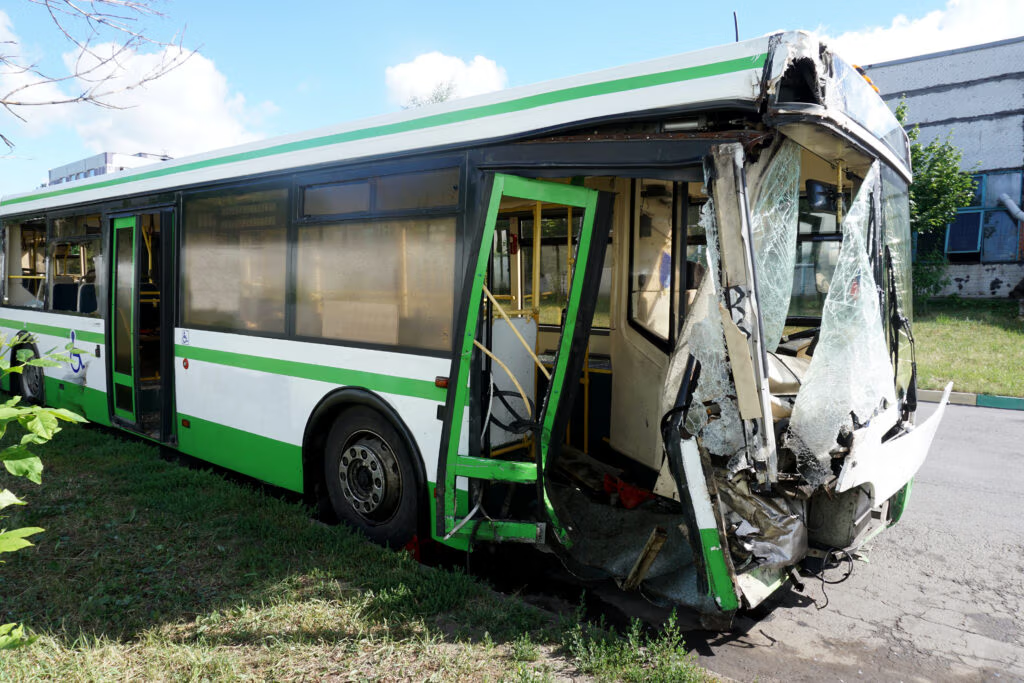
If you were a passenger when the car you were riding in crashed, here’s some reassurance: as a passenger, you’re almost never at fault for the accident — which often makes your claim more straightforward than the drivers’. You may be entitled to compensation for your injuries, and depending on the situation, you might have more than one source to recover from. The tricky part is usually figuring out whose insurance pays, especially when friends, family, or a rideshare are involved.
Let’s walk through your rights as an injured passenger in Pennsylvania and how these claims typically work.
Can a passenger file a claim after a car accident?
Yes. Because passengers don’t control the vehicle, they’re rarely responsible for a crash. That means an injured passenger can generally pursue compensation from whichever driver (or drivers) was at fault. In some cases that’s the driver of your own vehicle; in others it’s the other driver; sometimes it’s both. You may be able to recover for medical bills, lost wages, and pain and suffering, just like an injured driver.
Whose insurance pays for a passenger’s injuries?
This is the question that confuses most people, because the answer depends on how the crash happened:
- If the driver of your car was at fault, you may file a claim against their liability insurance — even if that driver is a friend or family member.
- If the other driver was at fault, you’d typically pursue their insurance.
- If both drivers shared fault, you may have claims against both.
- Pennsylvania’s first-party medical benefits (the medical coverage on the auto policy, sometimes called PIP) may help pay your initial medical bills regardless of fault — often through the policy of the car you were in.
Worried about filing against someone you know? You’re really making a claim against an insurance policy, not your friend’s personal savings. That’s exactly what the coverage is for.
What if you were a passenger in an Uber or Lyft?
Rideshare crashes add a layer of complexity. When you’re a paying passenger in an Uber or Lyft, the rideshare company’s insurance coverage may apply — and those policies can carry higher limits during an active trip. Whether the rideshare’s coverage, the driver’s coverage, or the other motorist’s coverage applies depends on the details, which is why these claims often benefit from an attorney sorting out the layers.
What should an injured passenger do?
- Get medical care promptly and keep all records.
- Get the names, contact, and insurance details for all drivers involved.
- Photograph the scene and your injuries if you can.
- Avoid giving recorded statements to insurers before getting advice.
- Be cautious about quick settlement offers — they’re often lower than a claim’s real value.
For a fuller picture of how compensation is figured, see our guide on how car accident settlements work in Pennsylvania.
Frequently Asked Questions
If that driver caused or contributed to the crash, you may be able to pursue a claim against their insurance — even if they’re a friend or relative. You’re claiming against the insurance policy, not their personal finances.
You may have claims against both drivers’ insurance policies. An attorney can help allocate the claim across the available coverage so you don’t leave compensation on the table.
Rideshare trips can involve additional insurance coverage that may apply while you’re a passenger. Because multiple policies can be in play, it’s worth having someone untangle which coverage applies to your injuries.
Generally two years from the date of the accident, the same deadline that applies to drivers. Don’t wait too long, since evidence and memories fade.
Hurt as a passenger? You have rights.
Being injured in someone else’s car — through no fault of your own — is frustrating and confusing, especially when you’re not sure who to turn to. You shouldn’t have to guess. We can help you figure out which coverage applies and pursue what you may be owed.
Call Ethen Ostroff Law for a free consultation. No fees unless we win. Justice For All — that’s our promise at EOL.law.