
New Jersey Car Accident Claims: No-Fault, PIP & When You Can Sue
Getting hurt in a car accident in New Jersey can leave you with a confusing question on top of everything else: who actually pays for this, and can I sue? Here’s the short answer. New Jersey is a “no-fault” state, so after most crashes your own auto policy’s Personal Injury Protection (PIP) coverage pays your medical bills first, regardless of who caused the accident. Whether you can also file a lawsuit against the at-fault driver for pain and suffering depends on the coverage option you chose and how serious your injuries are.
If that already sounds complicated, you’re not alone — New Jersey’s system trips up a lot of people. Below we break it down in plain English: how PIP works, what the “limited” and “unlimited” right to sue really mean, when you can take your case to court, how long you have to act, and a recent state Supreme Court decision that changes how future medical costs are handled at trial.
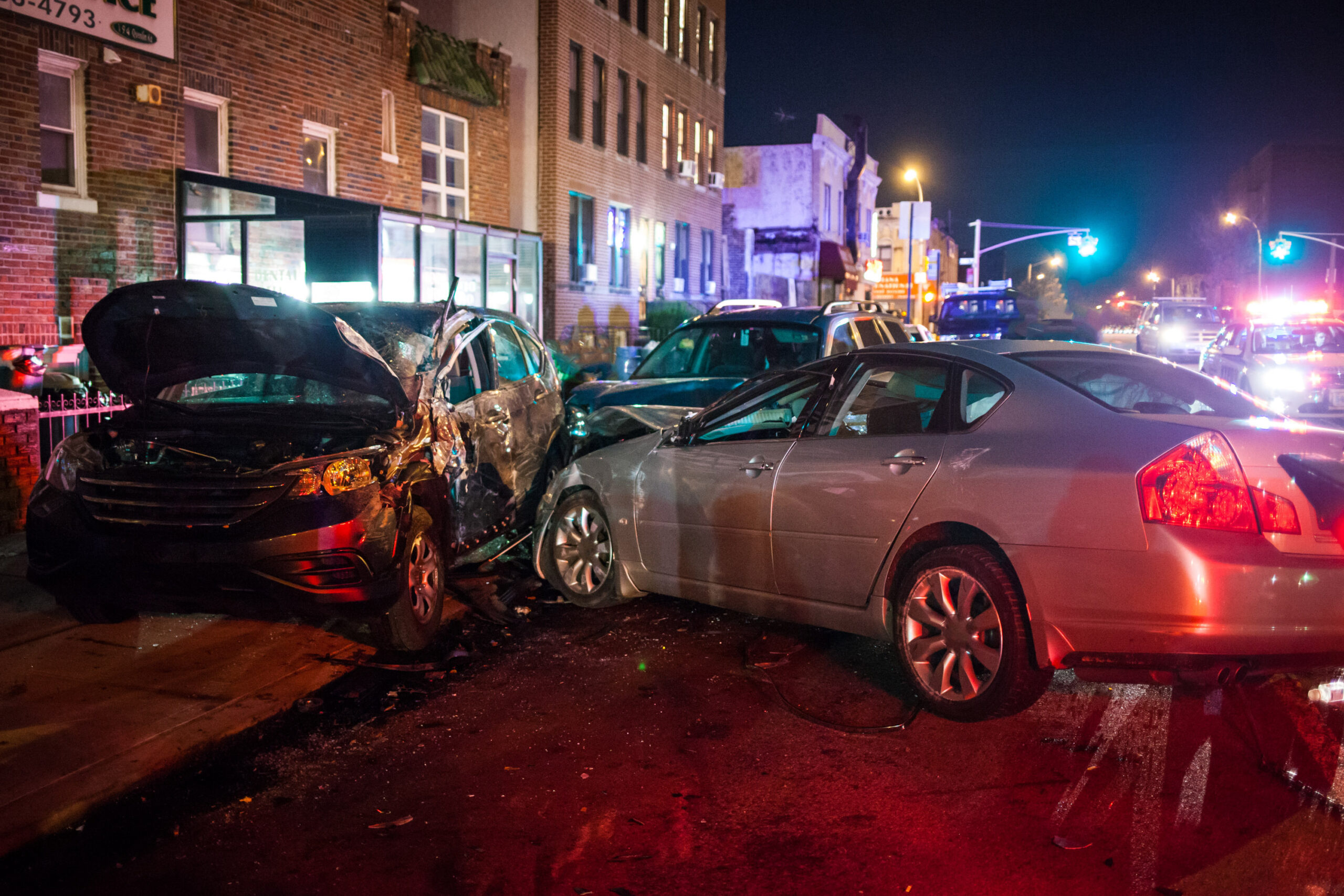
What does “no-fault” mean in New Jersey?
No-fault means that after a car accident, your own insurance pays your medical expenses through PIP coverage no matter who was at fault. The goal is to get crash victims medical care quickly without waiting for a fault fight to be resolved. It does not mean no one is responsible for the crash — it just changes who pays your medical bills first and limits, in some cases, when you can sue for things like pain and suffering.
How does PIP coverage work?
PIP (Personal Injury Protection) is the part of your New Jersey auto policy that covers medical treatment for injuries from a crash. The standard default amount is $250,000, but New Jersey lets drivers choose lower limits — as low as $15,000 — to reduce their premiums. That choice matters a great deal: if you selected a low PIP limit and suffer serious injuries, your coverage can run out faster than you’d expect.
PIP typically covers reasonable and necessary medical expenses, and depending on your policy, a portion of lost income and certain other costs. Because the amount of PIP you carry can shape your entire claim, it’s worth knowing what you actually selected — many people aren’t sure until after a crash, when it’s too late to change it.
Limited vs. unlimited right to sue: the verbal threshold
When you bought your New Jersey policy, you chose one of two options that control your right to sue for non-economic damages like pain and suffering:
- Limitation on Lawsuit (the “verbal threshold”): You can only sue the at-fault driver for pain and suffering if your injury fits certain serious categories — such as a permanent injury, significant disfigurement or scarring, displaced fractures, loss of a fetus, dismemberment, or death. This option usually costs less in premiums.
- No Limitation on Lawsuit (the “unlimited” option): You keep the full right to sue for pain and suffering regardless of how the injury is categorized. It usually costs more.
In plain terms: the “verbal threshold” is a bar your injury has to clear before you can recover for pain and suffering. Even under the limited option, you can generally still pursue economic losses like medical bills and lost wages beyond your PIP coverage. Whether a particular injury meets the threshold is frequently the central fight in an NJ injury case, and it often turns on objective medical evidence — which is one reason careful documentation matters so much.
When can you file a lawsuit after an NJ car accident?
You may be able to file a lawsuit against the at-fault driver when your damages go beyond what PIP and no-fault benefits cover — for example, when injuries are serious enough to meet the verbal threshold (if you chose that option), or to recover economic losses that exceed your coverage. A lawsuit can also be the path when the at-fault driver was uninsured or underinsured, in which case your own UM/UIM coverage may come into play. Because eligibility turns on your specific policy language and the nature of your injuries, this is exactly the kind of question worth running by an attorney before you assume you can’t recover.
The 2026 NJ Supreme Court ruling on future medical costs
In May 2026, the New Jersey Supreme Court decided a case (Murray v. Punina) that affects how future medical expenses are handled in injury trials. In short, the Court held that future medical costs that fall within a claimant’s available PIP coverage are considered “collectible” through PIP and therefore generally cannot be presented to a jury as damages against the at-fault driver. The reasoning is to prevent a double recovery — being paid once by PIP and again by the defendant for the same future care.
What does that mean for you in practical terms? It makes the amount of PIP you carry, and how your future-care needs are documented, even more important — and it makes having an attorney who understands the current rules more valuable, not less. Our separate post on the ruling breaks down the details and what injured people should keep in mind.
How long do you have to file a car accident claim in New Jersey?
In most New Jersey car accident cases, you have two years from the date of the crash to file a lawsuit (N.J.S.A. 2A:14-2). There are important exceptions to watch for:
- Claims against a public entity (for example, a crash involving a government vehicle or a dangerous road condition) require a formal notice of claim within 90 days — a much tighter deadline.
- PIP time limits. Benefits and related claims can have their own deadlines, so don’t let medical-benefit issues drift.
- Minors may be subject to different timing rules.
Missing a deadline can end an otherwise strong claim, so it’s worth confirming where you stand early rather than assuming.
What if you were partly at fault?
New Jersey follows a modified comparative negligence rule. You can still recover as long as you were not more than 50% responsible for the crash, but your compensation is reduced by your share of fault. If you’re found 51% or more at fault, you generally cannot recover. Insurers often try to assign blame to injured drivers to cut what they owe, so how fault is documented matters.
What is an NJ car accident claim worth?
There’s no fixed average — value depends on the severity of your injuries, your total medical costs, lost income, whether you can meet the verbal threshold, and the insurance available. As a rough guide: minor injuries that resolve tend to settle on the lower end; injuries that clearly meet the threshold, require surgery, or cause lasting impairment can reach six figures, often limited only by the available coverage. The reliable way to estimate your case is a review of the specifics, not a calculator.
Steps that help protect your NJ claim
- Get medical care promptly and keep every appointment — objective medical records are critical to meeting the verbal threshold.
- Report the crash and document the scene with photos and witness information.
- Know your PIP and tort options — or have someone review your policy for you.
- Be cautious with insurers and avoid recorded statements before getting advice.
- Talk to an attorney early, especially before accepting any offer.
How a New Jersey injury lawyer helps
New Jersey’s combination of no-fault PIP, the verbal threshold, and the 2026 change to how future medical costs are handled makes these claims genuinely technical. An experienced attorney can review your policy to confirm your PIP limit and tort option, build the objective medical evidence needed to meet the threshold, coordinate PIP with your health coverage, identify UM/UIM coverage when the at-fault driver is uninsured, and handle the insurer so your words aren’t used against you. At Ethen Ostroff Law, we work on contingency — no fee unless we recover for you — so understanding your options costs nothing.
Common injuries in New Jersey crashes
Whether an injury meets the verbal threshold can drive the entire claim; documentation matters. Injuries we frequently see include whiplash and other soft-tissue injuries, herniated discs, displaced fractures, concussions and other traumatic brain injuries, and shoulder or knee injuries requiring surgery. Some clearly meet the threshold; others require careful medical proof. Prompt, consistent treatment creates the record that supports your claim and helps establish that your injuries are permanent or serious when that’s what the law requires.
Frequently asked questions
Is New Jersey a no-fault state?
Yes. After most crashes, your own PIP coverage pays your medical bills regardless of who was at fault. Whether you can sue the at-fault driver for pain and suffering depends on the tort option you selected and how serious your injuries are.
How much PIP coverage do I have?
The standard default is $250,000, but New Jersey allows lower limits down to $15,000. Many drivers aren’t sure what they chose until after a crash, so it’s worth checking your policy — the limit can shape your entire claim.
What is the verbal threshold?
It’s the bar your injury must clear to sue for pain and suffering if you chose the “limitation on lawsuit” option — categories like permanent injury, significant scarring, or displaced fractures. Even under that option, you can generally still pursue economic losses beyond your PIP.
When can I sue after an NJ car accident?
Generally when your damages exceed no-fault benefits — for instance, when your injury meets the verbal threshold, when you need to recover economic losses beyond your coverage, or when the at-fault driver was uninsured and your UM/UIM coverage applies.
How long do I have to file in New Jersey?
Usually two years from the date of the crash. Claims against public entities require a notice of claim within 90 days, so those move much faster.
What if the other driver had no insurance?
Your own uninsured/underinsured motorist (UM/UIM) coverage may step in to cover your losses. Reviewing your policy with an attorney can help you understand what’s available.
How does the 2026 PIP ruling affect my case?
Future medical costs within your PIP limits generally can’t be presented to a jury as damages against the at-fault driver. It makes your PIP amount and careful documentation of future care more important — and an experienced attorney more valuable.
Do I need a lawyer for an NJ car accident claim?
If you were seriously injured, your right to sue is disputed, or the insurer is undervaluing your claim, an attorney can make a real difference — especially given New Jersey’s threshold rules. At Ethen Ostroff Law, consultations are free and there’s no fee unless we recover for you.
Does my health insurance affect my PIP?
It can. New Jersey lets drivers choose whether PIP or their health insurance is the primary payer for crash-related care, which affects how your bills are handled. If you’re not sure which you selected, an attorney can help sort it out.
Can I still recover if I wasn’t wearing a seatbelt?
Possibly, though it may be raised to argue comparative fault. You can still recover as long as you weren’t more than 50% at fault, with your award reduced by your share. It’s worth having the specifics reviewed rather than assuming.
Hurt in a New Jersey crash? Let’s talk
New Jersey’s no-fault system is genuinely confusing, and the insurance company is counting on that. You deserve a clear explanation of your options before you make any decisions. Call Ethen Ostroff Law for a free consultation — we’ll explain how PIP and the threshold apply to your situation, and there’s no fee unless we win. *Justice For All* — that’s our promise at EOL.law.
