
Insurance Claim Lawyers Helping Policyholders Get Answers
Insurance is meant to step in when something unexpected happens. You pay for coverage with the expectation that it will be there when your home is damaged, your business is interrupted, or a loss puts real pressure on your finances. Yet many insurance claims stall, get underpaid, or are denied without a clear reason. In those moments, working with experienced insurance claim lawyers can help bring clarity and direction to a frustrating process
If an insurance company is delaying, underpaying, or denying a claim without a fair explanation, a lawyer for insurance can help push the process forward. This page breaks down how insurance claims work and where things tend to go wrong. It covers the types of claims EOL.Law handles, including bad faith insurance claims, property damage, hail damage, windstorm damage, hurricane damage, and other situations where insurers may delay or refuse payment. You will also find practical guidance on denied claims, including when it makes sense to speak with attorneys for insurance claims and how insurance claim attorneys approach disputes with insurers.

What Today's Insurance Claims Data Shows
Recent insurance claims data paints a clear picture of where problems are showing up most often. Across the country, claims tied to personal injuries and weather-related property damage continue to rise, driven by accidents, severe storms, wildfires, and other large-scale events. While some areas, like auto claims frequency, have leveled off, the cost and complexity of claims are increasing.
- Personal Injury Claims Are Still Widespread
Personal injury claims remain one of the most active areas in insurance. Each year, hundreds of thousands of these cases are filed in state courts, with federal filings climbing due to mass tort litigation. Millions of Americans seek medical treatment for injuries annually, making personal injury insurance claims a routine part of the system rather than a rare event.
For many people, the challenge is not filing the claim but getting the insurance company to fully recognize the scope of the injury, the treatment involved, and the long-term impact.
- Auto Accident Claims Are Fewer, but More Costly
Auto accident claims have declined slightly in frequency, but the financial stakes have gone up. Total vehicle losses are becoming more common, and claim values continue to rise due to higher repair costs and vehicle prices. In some states, severe weather has pushed claim severity even higher, especially during hurricane seasons.
This shift often leads to disputes over vehicle valuations, coverage limits, and whether a car should be repaired or declared a total loss.
- Property Damage Claims Continue to Surge
Property damage claims make up a large share of homeowners’ insurance activity, largely due to weather-related events. States hit hard by storms, wind, hail, and fire are seeing sustained claim volume, with inflation and rising construction costs driving up repair estimates.
Homeowners often run into problems when insurers question the extent of damage, delay inspections, or offer payments that fall short of actual repair needs.
Some types of property damage claims appear again and again:
- Fire damage claims have surged in wildfire-prone regions, with insurers paying out billions while also disputing coverage and damage scope.
- Hail and wind damage account for a significant share of insured home losses, especially in storm-heavy states where repeated events strain both homeowners and insurers.
- Hurricane damage continues to generate large-scale claims, particularly in coastal states, where past storms have led to spikes in both property and auto total losses.
Each of these situations brings its own set of coverage questions, inspections, and disputes.
- Increased Scrutiny of Bad Faith Insurance Practices
As claim volume rises, so does scrutiny of how insurance companies handle them. Bad faith insurance disputes in 2025 often center on undervalued claims, prolonged delays, and conduct during litigation. Courts have allowed evidence showing intentional avoidance of policy obligations, especially following large disaster events where thousands of claims are filed at once.
For policyholders, these patterns help explain why working with an attorney for insurance claim denial or a denied insurance claim lawyer becomes necessary when insurers refuse to deal fairly.
What Is an Insurance Claim?
An insurance claim is what you file when something covered by your policy causes a loss. It might be damage to property, an injury, or costs that follow an accident or storm. Filing the claim puts the insurance company on notice that you expect coverage under the policy you’ve been paying for.
After that, the insurer reviews what happened and what the policy allows. That review often includes documents, photos, estimates, or medical records. Payment is not automatic, and disagreements are common, especially over how damage is valued or whether something is fully covered.
What Types of Damages Do Insurance Claims Cover?
When something you own is damaged, an insurance claim is how you ask for help. What’s covered depends on your policy, but certain kinds of loss show up again and again. Knowing what applies makes dealing with accidents, storms, or other events less stressful.
1. Fire Damage

Fires can wipe out homes, businesses, farms, and vehicles. They take personal belongings and make everyday life harder. People often have to handle repairs, replace what’s gone, and find a safe place to stay while recovery happens.
Fire damage can affect:
- Residential homes, with structural damage and lost items
- Commercial buildings, such as offices, stores, and restaurants
- Farms, including barns, crops, and livestock
- Industrial facilities, like warehouses and equipment
- Roads, parks, and other public spaces
- Vehicles, including cars, trucks, and motorcycles
Insurance may cover repairs and replacements. The exact payout depends on what was damaged and the terms of the policy.
If you want more practical guidance, see our full guide on fire damage insurance claims for tips on what to do after a fire.
2. Property Damage
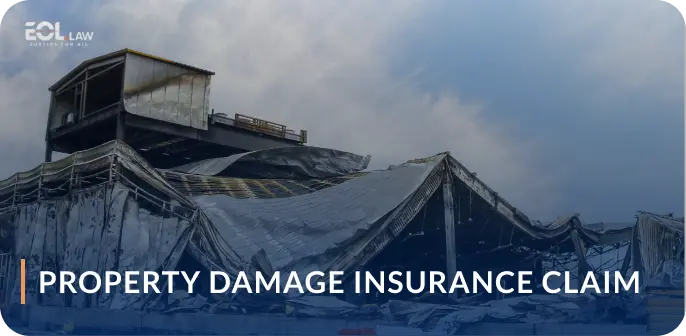
When something you own gets broken or ruined, that’s property damage. It could be your house after a bad storm, your car after a fender-bender, or even your phone after an unfortunate drop. Accidents, severe weather, plain old neglect, or even deliberate acts can all leave you with damage to deal with.
A property damage claim is how you request payment from your insurance company or the responsible party. The goal is to have your property repaired or replaced so it is back to normal.
Types of Property Damage
Property damage usually falls into two categories: physical damage and loss of use. Both can be disruptive and costly. Insurance can help cover repairs, replacements, and other related expenses.
Physical damage occurs when something tangible is broken or destroyed. This is the obvious, visible harm. Basically, if you can point to it and see it’s broken, that’s physical damage.
Examples include:
- A car with dents, scratches, or broken parts after a collision
- A house damaged by fire, including collapsed roofs or ruined furniture
- A phone with a cracked or shattered screen
Loss of use happens when property cannot be used because of damage. Examples include:
- A rental property that tenants cannot stay in until repairs are complete
- A commercial building damaged by fire that cannot operate
- A car in the shop for repairs and unavailable for daily use
Types of Property Damage Claims
The type of claim depends on what caused the damage. Common claims include:
- Auto property damage claims for accidents, collisions, theft, or vandalism
- Homeowners or property insurance claims for houses, condos, or rentals damaged by fire, water, storms, theft, or vandalism
- Personal property claims for damaged or lost belongings
- Commercial property claims for offices, stores, or warehouses affected by fire, flood, storms, or vandalism
- Natural disaster claims for hurricanes, tornadoes, earthquakes, wildfires, or floods
- Public liability claims for damage caused by someone else’s negligence
- Product liability claims for property damaged by defective products
- Landlord-tenant claims for damage caused by neglect, intentional acts, or failure to maintain rental units
- Subrogation claims when insurance companies recover costs after paying policyholders
For practical guidance on property damage claims, see our full guide on property damage insurance claims.
3. Hail Damage
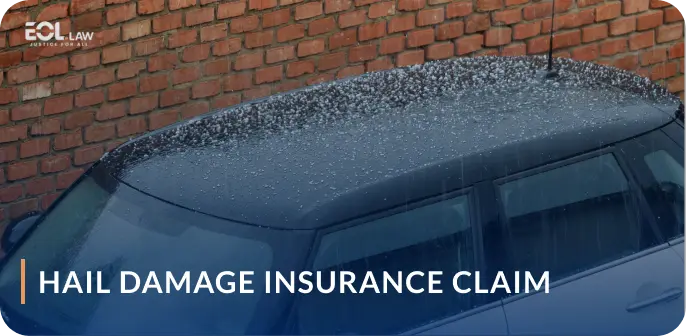
Hailstorms do not look serious until you walk outside afterward. Roofs are dented. Cars are covered in dings. Gutters are bent. Sometimes the damage is obvious. Other times, it shows up weeks later as leaks or water stains.
Hail forms when rain freezes into layers of ice inside storm clouds and falls to the ground as hailstones. It usually happens during strong thunderstorms, even in warm weather.
Some states deal with hail more than others. Texas, Kansas, Colorado, and parts of the Midwest see it regularly. When storms roll through these areas, damage adds up fast.
Hail can affect many parts of a property, including:
- Roof shingles that crack or break
- Siding and windows that chip or shatter
- Vehicles left with dents or broken glass
- Gutters that no longer drain properly
- HVAC units damaged by repeated impact
- Plants, trees, and crops that do not recover
- Water getting inside through small openings you may not notice right away
Repairs can get expensive, especially when damage is spread across different parts of a home or vehicle. Insurance may cover these losses, but hail claims are often questioned or underpaid.
If you are dealing with hail damage and want to understand your options, our guide on hail damage insurance claims walks through what to look for and what to do next.
4. Wind Damage
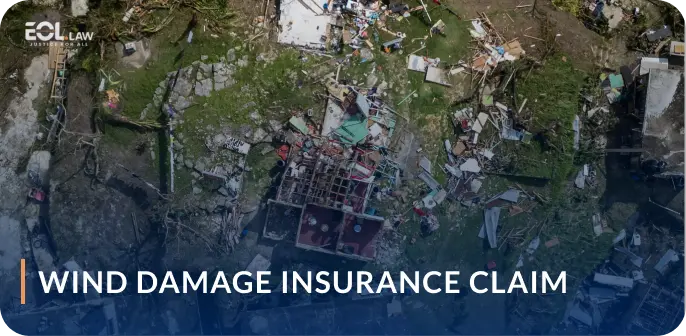
Strong winds can do a lot of damage to homes, businesses, and other property. Shingles and siding can be torn off, windows broken, and sometimes the inside of a building is affected too.
Wind damage doesn’t only come from hurricanes or tornadoes. Any storm with high winds can cause problems. Even straight-line winds over 50 miles per hour can break things, and winds in severe storms can reach 100 miles per hour or more.
If your property suffers from wind damage, filing an insurance claim can help cover repairs and replacements.
For practical steps and tips, see our guide on wind damage insurance claims.
5. Bad Faith Insurance

Sometimes your insurance company just doesn’t treat you fairly. They might deny a claim, drag their feet on payment, or offer way less than what you need to cover your loss. That’s bad faith.
You don’t have to take it. If a claim was denied unfairly, you may be able to get the money your policy promised, and sometimes more.
Some warning signs:
- Claim denied for no clear reason
- Investigation is sloppy or incomplete
- Payment delayed or offer too low
- Policy or law is misinterpreted
- They ask for documents that don’t make sense
Not every denied claim is bad faith. Sometimes your policy truly doesn’t cover the damage. If you’re unsure, look at your policy or talk to a denied insurance claim lawyer. They know the rules, can explain your options, and help you deal with the insurance company.
To show bad faith, you usually have to prove the insurer held back money you should have gotten and had no good reason to do it.
A lawyer can help you file the claim, handle conversations with the insurer, and make sure you’re not stuck with less than you deserve.
For more details, see our guide on bad faith insurance claims.
6. Home Damage

Home damage can happen in a lot of ways. Storms, fires, accidents, or even someone else’s actions can leave your house or belongings harmed. When that happens, filing a claim lets you get help paying for repairs or replacements.
Before filing, think about whether the cost of repairs is more than your deductible. If it’s close, sometimes it makes sense to fix it yourself. If not, talking to a lawyer for insurance can help make sure your claim is handled fairly and you get the settlement you deserve.
Filing a claim can also make sure repairs happen sooner and properly. It helps replace damaged items and get life back to normal faster.
What Home Damage Claims Can Cover
- Damage from snow or ice
- Aircraft accidents
- Explosions
- Damage from motor vehicles
- Fire
- Lightning
- Riots or civil unrest
- Smoke
- Theft
- Vandalism
- Volcanic eruptions
- Windstorms or hail
Types of Coverage
Most home insurance policies cover four main areas:
- The structure of your home
- Your personal belongings, including furniture, electronics, and clothing
- Liability for injuries that happen on your property
- Additional living expenses if you need to live somewhere else while your home is repaired
At EOL.Law, our insurance claim lawyers work with you to handle your claim and make sure you get what you’re owed. We focus on your situation and make sure every dollar for your damages is accounted for.
For more guidance, see our full article on home damage insurance claims.
7. Hurricane Damage
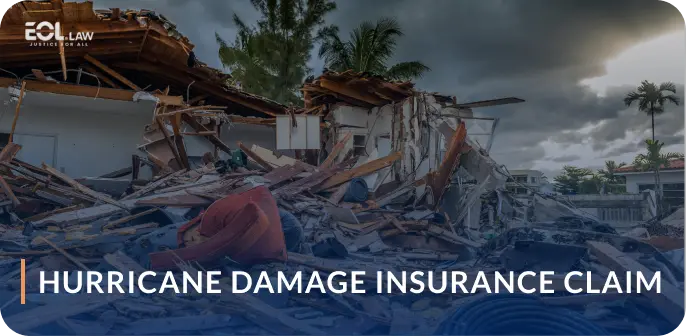
Hurricanes can hit fast and leave a mess behind. Roofs torn off, flooding, broken windows, fallen trees. After a storm, figuring out what’s covered and how to file a claim can feel overwhelming.
Even in quieter hurricane seasons, storms can still damage homes and property. Wind, rain, and flooding can all create repair costs that add up quickly. Knowing what your policy covers helps you take the right steps and avoid losing money.
Types of Property Covered
Hurricane damage claims can cover a variety of property types, including:
- Residential homes, single-family and multi-family
- Condominiums, based on personal and association policies
- Rental properties, including damage and lost rental income
- Commercial buildings, like stores, offices, warehouses, and factories
- Vacation homes or secondary residences
- Mobile or manufactured homes, depending on the policy
- Land improvements, such as fences, decks, and other structures
Check your policy carefully to see exactly what is included for your property.
Filing a hurricane damage claim can help get repairs done faster and make sure your losses are properly accounted for. At EOL.Law, we guide homeowners through the process so you know your rights and options.
For detailed guidance, see our full article on hurricane damage insurance claims.
8. Auto Accident Claims

After a crash, your phone usually starts ringing fast. On the other end is an insurance adjuster. They may sound polite, but their job is to protect the company, not you. That often means they’ll look for ways to pay less than you need.
Handling your claim alone can be tricky. It helps to bring in an insurance claim lawyer if:
- They say the accident was your fault
- The settlement offer doesn’t cover your medical bills or repairs
- Your claim gets denied
- Your injuries are serious
- The accident was complicated
- They pressure you to settle quickly
A lawyer can handle the adjuster, deal with the paperwork, and make sure you’re not taken advantage of. Getting help early can make a big difference in how smoothly your claim is resolved.
For practical steps and advice, see our full article on auto accident claims.
What Are the Steps for Filing an Insurance Claim?
Filing a claim asks your insurance company to pay for a loss. Doing it step-by-step makes it clearer. Your goal is to get the money your policy promises so you can fix what’s broken or cover your costs.
Here are the steps to follow.
- Step 1. Read Your Policy First
Check your insurance paperwork. See what it covers, what it doesn’t, and how much you have to pay first (your deductible). Also note any deadlines. Knowing this helps you know what to expect.
- Step 2. Collect Your Proof
Take good pictures or video of the damage. Save any receipts, bills, or police reports. Write down what happened, when, and where. Good proof makes your claim stronger.
- Step 3. Call Your Insurance Company
Contact your insurer to start the claim. You can call, use their app, or go online. Give them your policy number and tell them what happened. They will give you a claim number. Keep it.
- Step 4. Send in the Forms
Fill out the claim forms your insurer sends you. Attach your photos and other proof. Sometimes your repair shop or doctor can send their bills directly.
- Step 5. Meet with the Adjuster
An insurance adjuster will look at the damage. They might call you, visit, or send someone. Answer their questions and keep notes of what you talk about.
- Step 6. Get Your Payment
If your claim is approved, you will get paid. The money might go to you or straight to the repair shop. They subtract your deductible first.
If your claim is denied or the offer is too low, you can appeal. This is when many people talk to insurance claim attorneys. A good insurance claim lawyer can explain your rights and help you fight for a fair result.
Why Do Insurance Claims Sometimes Get Denied or Delayed?
Getting money from your insurance isn’t always simple. Claims can be delayed or denied for a variety of reasons. Understanding the common issues can help you respond and protect your claim.
- Questions About the Cause of Damage
Insurance companies may say the damage was not caused by the event you are claiming. For example, a roof problem might be blamed on age or wear rather than a recent storm. They may also only count obvious damage, overlooking hidden problems like water behind walls. Having an independent inspection with photos can support your case.
- Low Estimates for Repairs
Insurers sometimes offer less money than it takes to fix the damage. They may use outdated pricing or suggest cheaper repairs. Getting several estimates from licensed contractors shows the real cost and helps justify a fair settlement.
- Paperwork Issues
Missing forms, late submissions, or incomplete documentation can cause delays or denials. Keep a folder with all receipts, photos, and records of communication. Track each submission and phone call so mistakes can be corrected quickly.
- Slow or Unfair Handling
Claims can be slowed by repeated requests for documents or long investigation times, especially after major storms or accidents. Keep detailed notes of all communications. If your insurer does not respond in a reasonable time, you can appeal in writing and contact your state insurance department.
What Are Useful Tips for a Successful Insurance Claim?
Handling an insurance claim goes smoother if you stay organized, act quickly, and keep good records. This makes it easier to get your property repaired or get the money you’re owed.
- Document everything immediately. Take clear, thorough photos and video of all damage. Save every related receipt and estimate in one dedicated folder.
- Act quickly and log everything. File your claim as soon as possible. Respond promptly to all insurer requests. Keep a simple log of every call and email.
- Know your policy’s details. Understand your deductible and whether you’re owed “replacement cost” or “actual cash value.” If an offer seems low, get a contractor’s written estimate to support your case.
- Get professional help when stuck. If your claim is denied, severely delayed, or the offer is unfair, it’s time to bring in a denied insurance claim lawyer. An experienced insurance claim attorney could negotiate for you and fight for what you’re owed.
At EOL Law, our insurance claim lawyers are here to help you secure a full and fair settlement.
What to Do if Your Insurance Claim Is Denied or Delayed
Getting a denied or delayed insurance claim is stressful, but acting quickly helps. Insurance claim lawyers or attorneys for insurance claims can guide you through the process and help protect your rights.
- Check the denial. Read the insurer’s letter carefully. Understand why your claim was denied. Compare it to your policy. Take notes during any calls with the adjuster, and request reports or internal documents that explain their decision.
- File an appeal. If you have extra evidence like photos or repair estimates, send a formal appeal. Reference your policy and follow up to make sure it’s being reviewed. Many claims get approved at this stage once the insurer sees all the facts.
- Get help if needed. If the appeal fails, contact a denied insurance claim lawyer or your state insurance department. Keep records of every call and email. Insurance claim attorneys and lawyers for denied insurance claims can help you push for a fair settlement or take legal action if necessary.
Why Insurance Claims Lawyers Matter
Insurance claims can be complicated, and having the right legal support can help make sure your claim is handled properly. Here’s what insurance claims lawyers do:
- Deal with the insurer. Attorneys for insurance claims handle communication with your insurance company. They make sure your claim is understood correctly and that your policy is applied fairly.
- Investigate the damage. Insurance claim attorneys look into the cause of the damage, collect evidence, interview witnesses, and work with experts to document everything accurately.
- Provide guidance. A lawyer for insurance helps you understand your rights and the steps in the claims process. They explain what to expect and what options are available.
- Represent you in court. If a settlement isn’t fair, insurance claims lawyers or a lawyer for denied insurance claim can take the case to court to pursue the compensation you’re owed.
- Maximize your payout. Attorneys for insurance claims review all losses, including repairs, personal property, and additional costs, negotiating so nothing is left out.
- Handle denials. If your claim is denied, a denied insurance claim lawyer or attorney for insurance claim denial can help you file appeals and challenge the denial to recover what your policy covers.
EOL.Law: Attorneys for Insurance Claims
Insurance claims can be confusing, and a denied or delayed claim only makes it harder. At EOL.Law, our insurance claim lawyers or attorneys for insurance claims help you handle the process from start to finish.
We work with claims for fire, hail, wind, hurricane, home, property, and auto damage. If your claim is denied, a denied insurance claim lawyer or attorney for insurance claim denial can review it, help you file an appeal, and make sure your rights are protected.
If you’re not getting anywhere with your insurer, talk to us. Contact EOL.Law for a free, no-pressure review of your claim.
Frequently Asked Questions
What type of lawyer deals with insurance claims?
A lawyer who handles insurance claims is usually a personal injury attorney or an insurance claims attorney. These lawyers deal with denied claims, delayed payments, low settlement offers, and situations where the insurance company is not playing fair. In personal injury cases, they focus on holding insurers accountable when someone is hurt because of another party’s negligence. Their job is to push back, enforce the policy, and work toward a result that covers the losses involved.
Do I need a lawyer to sue an insurance company?
You are allowed to sue an insurance company on your own, but that does not mean it is a good idea. Insurance companies have teams of lawyers whose job is to limit what they pay, even when a claim is valid. An insurance claim lawyer helps make sure deadlines are met, evidence is presented correctly, and policy language is not used against you. In most injury-related claims, legal representation puts you on more equal footing from the start.
How do I argue an insurance claim?
Arguing an insurance claim starts with understanding why the claim was denied or undervalued. You need clear documentation, including medical records, repair estimates, bills, and any proof that supports what the policy covers. Everything you submit should tie back to the policy language and the facts of the incident. When the insurer refuses to budge or keeps delaying, that is often when legal pressure becomes necessary.
What not to say to an insurance claim adjuster?
You should avoid admitting fault, guessing about what happened, or downplaying your injuries when speaking with an adjuster. Statements like “I’m fine” or “It was probably my mistake” can be used to reduce or deny a claim later. You are not required to give recorded statements or detailed medical opinions early in the process. Keeping responses brief and factual protects your position while the claim is being reviewed.
